


Dusk of Dragons: Survivors
COREGAMES PTE. LTD.
I spent my time with Dusk of Dragons: Survivors looking at one idea above all others: the way hunting, crafting, taming, and survival are tied together in a world overrun by zombies. That combination gives this adventure game a more interesting rhythm than a simple creature-collecting title. I was not only searching for a powerful dragon; I was also deciding what to gather, what to make, and when it was safer to leave an area before the undead turned a useful expedition into a messy escape.
That focus is what makes the game worth considering. It is free to play, developed by COREGAMES PTE. LTD., and aimed at players who enjoy survival pressure without giving up the fantasy of working alongside dragons. It is available for devices running Android 7.0 or later, carries a Teen age rating, and has reached over 500 thousand installs. The store page shows a 4.6 average from around 30 thousand ratings, which matches my impression that the central concept has found a receptive audience.
Why the dragon-survival loop stands out
The strongest capability here is not taming by itself. It is the way a tamed dragon changes how I approach survival. A dragon is part of a larger decision-making loop: I hunt for materials, craft what I need, explore dangerous spaces, and try to turn a hostile environment into somewhere I can operate more confidently. That makes the creature feel connected to progression rather than like a decorative reward sitting outside the main game.
In many adventure games, collecting a companion is a separate activity from gathering resources or fighting enemies. Here, the fantasy works better because the activities point toward one another. I want to explore so I can find useful materials. I want better preparation so I can stay out longer. I want to tame dragons because having them with me can make the next outing feel more manageable. The result is a loop that constantly asks me to balance curiosity against survival.
The zombie setting also changes the mood. Dragons suggest discovery and wonder, while the undead threat adds urgency. I could not treat every trip as a relaxed sightseeing tour. Even when my goal was simply to gather supplies, the possibility of being interrupted encouraged me to think ahead. That tension is more effective than a constant stream of battles because it gives ordinary movement and resource collection a purpose.
Related News

Threads in Real Life: Who Should Join, Lurk, or Leave

How SHEIN Turned Shopping Into an Endless Content Feed

How to Make Fortnite Feel Smarter on Mobile

Should You Switch to Microsoft Outlook on Mobile?

Why Gallery Keeps Pulling Users Back

X Review: Why Its Network Still Matters
The key strength is the connection between preparation and companionship. If you like games where a creature becomes useful because of the way it affects your routine, rather than only because it looks impressive, this is the part most likely to keep you playing.
Hunting and crafting give exploration a reason
Hunting and crafting are easy to describe, but their value comes from how they shape the route I take through the world. I am not simply moving from one objective marker to another. I am thinking about what I need before heading out, whether the trip is worth the danger, and how much room I have for an unexpected encounter. That makes exploration feel more deliberate than it would in a straightforward action adventure.
Crafting is especially useful as a planning tool. I found it more satisfying when I treated it as preparation for a specific outing instead of opening it only after I was already in trouble. Before a risky run, it makes sense to review supplies and decide what can wait. This small habit reduces the feeling of wandering without direction and helps turn the resource loop into a personal routine.
Gallery
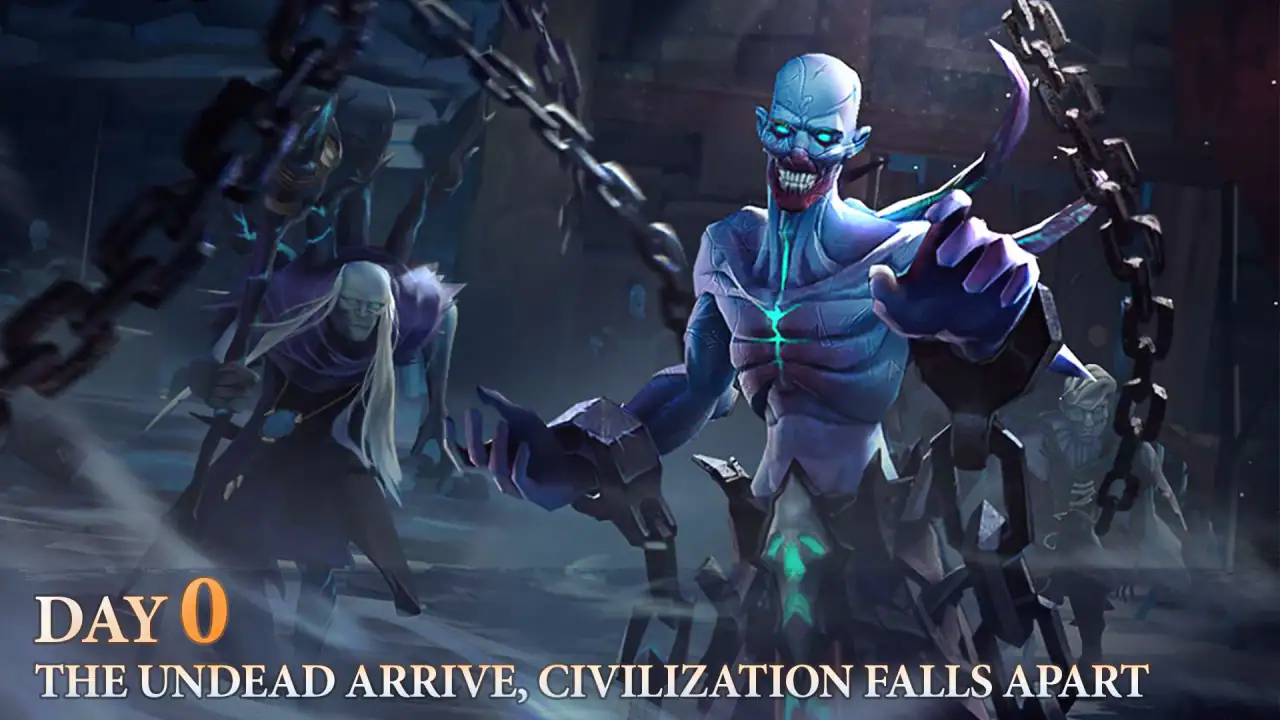
A practical example is an evening session after work. I might have only a short period to play, so I would avoid beginning with an ambitious expedition. Instead, I would gather nearby materials, improve my readiness, and use the session to make progress toward taming or supporting a dragon. On a longer weekend session, the same systems invite a deeper trip, because I have more time to recover from mistakes and follow an unexpected opportunity.
This flexibility matters on mobile. Some survival games feel uncomfortable when every session demands a long uninterrupted commitment. Dusk of Dragons: Survivors is more approachable when I define a small goal before starting: collect a particular kind of resource, prepare for a journey, or work toward a dragon-related objective. That approach keeps the game from becoming a vague cycle of gathering everything in sight.
Taming changes the way I judge danger
The taming element is most interesting when it changes my behavior before combat begins. I started looking at the environment not only as a place filled with threats, but also as a place where a worthwhile companion might be found. That gives exploration an extra layer of attention. I am watching for opportunities while also considering whether I have enough preparation to handle the consequences of pursuing them.
This creates a useful trade-off. Chasing a dragon-related goal can be more rewarding than collecting ordinary materials, but it can also tempt me into taking risks at the wrong time. The best approach is not to rush every discovery. I found it smarter to build a habit of preparing first, then committing to the attempt. That is a simple tip, but it prevents the taming system from becoming a sequence of avoidable setbacks.
Another useful habit is separating “progress” from “success.” A failed attempt does not have to mean the entire session was wasted if I return with materials, information about the area, or a clearer idea of what to prepare next. Thinking this way makes the survival pressure less frustrating. I am learning the boundaries of an expedition instead of judging the game only by whether I completed the original goal.
What a normal session feels like
A typical session can begin with a quick check of what I already have and what I want to accomplish. I then move into the world, gather or hunt, and stay alert for the zombie threat. If the situation becomes too dangerous, retreating is a sensible decision rather than a sign that the session failed. Returning safely preserves the value of the preparation that went into the trip.
When I have enough confidence, I can push farther and make the dragon objective the center of the outing. That shift from cautious gathering to committed exploration gives the game its best moments. I am no longer collecting items just because they are present; I am collecting them because they support a plan. The game feels more focused when I play with that intention.
The loop is also suitable for players who enjoy making their own priorities. One person may care most about finding and taming dragons, while another may prefer the crafting and survival side. The game supports both approaches because the systems overlap. I can spend a session preparing, another exploring, and another concentrating on the creature side without abandoning the broader progression.
The best setting for this game
Dusk of Dragons: Survivors works best when I want an adventure game with a clear survival edge but still need the freedom to set my own short-term goals. It is a good fit for someone who enjoys the feeling of building readiness over time. The satisfaction comes less from one isolated battle and more from noticing that a future expedition is now possible because of choices made earlier.
It is also a strong choice for dragon fans who want more than a passive collection screen. The creatures are tied to the fantasy of surviving in a dangerous world, so the appeal is not limited to identifying and collecting them. I am encouraged to think about how they fit into my next journey and how the surrounding threats affect the way I pursue them.
For a realistic everyday use case, I would recommend short, planned sessions during a commute break or after dinner, provided the player has enough uninterrupted attention for the current activity. A quick resource run can be satisfying, while a longer session is better for a more ambitious trip. The important point is to avoid opening the game without a goal and then feeling overwhelmed by every available task.
The game is less suitable for someone who wants a completely relaxed dragon adventure with no survival anxiety. The zombie setting is not a minor decoration; it affects the pace and makes exploration feel unsafe. Players who prefer a purely linear story, an instant-power fantasy, or a simple creature-raising experience may find the preparation and risk less enjoyable than the dragon theme suggests.
How it compares with familiar alternatives
Compared with a straightforward action adventure, this game gives more importance to what happens between confrontations. Gathering and crafting are not merely side activities, because they support the next attempt to explore or tame. Compared with a conventional creature-collection game, it asks more from me before a companion becomes part of my routine. The zombie threat gives the collection goal a practical context.
That combination is appealing, but it also means the game is not as immediately simple as an arcade-style adventure. If I want to jump in, defeat enemies, and see constant rewards, another type of game may be a better match. Here, the payoff is strongest when I enjoy planning, returning to an area better prepared, and gradually making dangerous trips feel more manageable.
It also differs from survival games that focus almost entirely on construction or resource management. The dragon objective gives exploration a more personal direction, while the adventure category keeps the experience from feeling like a spreadsheet of materials. On the other hand, players who want deep building systems above all else may prefer a title designed around construction rather than the hunt-and-tame loop.
The trade-offs I noticed
The biggest friction is the need to manage several motivations at once. I may want to explore, gather, craft, and pursue a dragon, but the game’s danger makes it difficult to do everything in one outing. That can be exciting when I am in the mood to plan, yet it can feel demanding when I only want a quick, uncomplicated session.
The free entry point is helpful, but the game includes in-app purchases ranging from $0.99 to $99.99 per item. I would approach those purchases carefully. The core appeal should come from enjoying the survival and taming loop, not from assuming that spending is required to make the game worthwhile. Anyone sensitive to optional purchases should decide on a personal limit before getting deeply involved.
The Teen rating is another useful signal about the tone. The combination of zombies, hunting, and survival pressure may not suit younger players or anyone looking for a gentle fantasy experience. For the intended audience, however, the darker setting supports the central trade-off: dragons are exciting partly because the world around them is dangerous.
Performance and comfort will also depend on the device, the player’s tolerance for mobile controls, and how much time they want to spend managing an expedition. I would not choose this game expecting the same simplicity as a short puzzle session. It rewards attention, and that is both its identity and its main demand.
Small strategies that make the loop smoother
My first practical recommendation is to choose one primary objective per outing. “Gather enough for the next preparation step” is better than trying to collect every material and chase every opportunity at once. This keeps the session readable and makes it easier to decide when returning home is the smart move.
Second, I would treat retreating as part of the strategy. In a survival game, carrying useful materials back can be more valuable than forcing one extra encounter. A cautious return protects the time already invested and gives the next trip a stronger starting point. This is particularly important when the original goal involves a dragon and the temptation to continue is high.
Third, I would use crafting to solve a specific problem rather than crafting automatically whenever something becomes available. Preparing for a known type of outing makes the system feel meaningful and reduces wasteful decisions. It also helps reveal whether I actually need to explore farther or whether a smaller, safer trip will accomplish enough.
Finally, I would keep a mental note of what caused a failed expedition. Was the issue poor preparation, overconfidence, or simply choosing too ambitious a route? Turning that answer into the next session’s plan is where the game’s survival structure becomes rewarding. Without that reflection, the loop can feel repetitive; with it, each attempt teaches me something useful.
Who will get the most from it
I would recommend Dusk of Dragons: Survivors to players who like adventure games with layered objectives and enjoy the idea of dragons serving a practical role in survival. It is particularly appealing if you want exploration to matter, prefer setting your own goals, and do not mind returning to preparation after a risky attempt.
It is also a good option for mobile players who like alternating between shorter resource-focused sessions and longer expeditions. The game gives those sessions different purposes instead of forcing every login to feel identical. A brief visit can support future progress, while a longer play period can be used to pursue a more ambitious dragon or exploration goal.
I would be more cautious about recommending it to players who dislike resource gathering, repeated preparation, or the possibility of abandoning an expedition. The dragon theme may attract you, but the game’s real identity is the relationship between that theme and survival pressure. If you want dragons without zombies, crafting decisions, or danger interrupting your plans, a calmer alternative will probably be more satisfying.
The current version is 1.4.17, and the game has been available since August 29, 2023. Those details are useful when deciding whether it fits your device and expectations, but the more important question is whether the central loop sounds enjoyable: find a reason to go out, prepare for the risk, hunt or gather, pursue a dragon-related goal, and return with enough progress to make the next attempt better.
My final view is positive, with a clear condition. I like Dusk of Dragons: Survivors most when I play it as a planning adventure rather than a constant combat game. Its best quality is the way taming feels connected to the wider survival routine, and its main weakness is that this same structure asks for patience and attention. If that trade-off sounds appealing, the free download makes it easy to try. If you want instant action or a peaceful creature collector, I would look elsewhere.
FAQs for Dusk of Dragons: Survivors
What is Dusk of Dragons: Survivors about?
Dusk of Dragons: Survivors is a survival adventure game set in a dark fantasy world threatened by dragons, monsters, and other dangers. After entering the game, you gather resources, craft equipment, build and improve a shelter, explore hostile areas, and raise dragons to support you in combat. Progress depends on managing supplies, learning enemy patterns, and strengthening both your character and your creatures.
Can Dusk of Dragons: Survivors be played offline?
The game is primarily designed as an online experience, so an internet connection is generally required for downloading content, synchronizing progress, accessing multiplayer features, and communicating with other players. Although some activities may appear playable after loading, you should not expect the complete game to work offline. A stable connection is recommended, especially during exploration, cooperative play, and server-based events.
Is Dusk of Dragons: Survivors free to download and play?
Dusk of Dragons: Survivors can usually be downloaded and started without an upfront purchase, but it follows a free-to-play model. Optional in-app purchases may provide resources, cosmetic items, progression advantages, or convenience features. You can make progress without spending money, although some upgrades and timers may require patience. Parents should also review device purchase settings before allowing children to play.
What gameplay features does Dusk of Dragons: Survivors offer?
The game combines several systems rather than focusing only on fighting. You can collect materials, craft tools and weapons, construct a base, survive environmental threats, battle creatures, and train or use dragons. Exploration and resource management are important because supplies can be limited. Depending on the available servers and updates, players may also find cooperative activities, social interaction, competitive elements, and time-limited events.
Is Dusk of Dragons: Survivors suitable for casual players and older devices?
Dusk of Dragons: Survivors may appeal to players who enjoy survival games with crafting, base building, and fantasy combat, but it requires more commitment than a simple pick-up-and-play title. Regular resource gathering and character development can involve extended sessions. Performance depends on your phone or tablet, and older devices may experience longer loading times, reduced visual quality, heat, or battery drain. Check the store requirements before installing.
Pros
- Large open world with varied environments to explore.
- Dragon companions add depth to combat and resource gathering.
- Base building gives progression beyond simple character leveling.
- Multiple survival mechanics create a more immersive challenge.
- Frequent activities provide goals for both solo and social players.
Cons
- Resource management can feel demanding during longer play sessions.
- Some progression systems may be difficult for new players to understand.
- The open world occasionally feels empty between major objectives.
- Combat controls can become awkward during crowded encounters.
- Device performance may vary in graphically intensive areas.


